
A lone pirate sat in the dim lantern light of the tavern, thumbing through worn maps as the sound of tankards clinking filled the air. It was the spring of 2026, and the Sea of Thieves had never been more alive. Over a grog, a fellow sailor whispered about a mysterious group—not a trading company, but a circle of creators who turned their pirate adventures into shared stories for audiences across the globe. That group, the Creator Crew, had become a gateway for many an aspiring streamer, and the pirate leaned in to learn more.
The Creator Crew was not just another alliance. It was a dedicated programme designed by the Sea of Thieves developers to support and elevate content creators—particularly those broadcasting on Twitch. Even in 2026, when the seas teemed with countless streamers, the Crew remained a beacon for anyone wanting to turn their live quests into professional broadcasts. The crew had one core mission: to make the life of a creator easier by handing out tools, challenges, and rewards that could transform a casual stream into a flourishing channel.
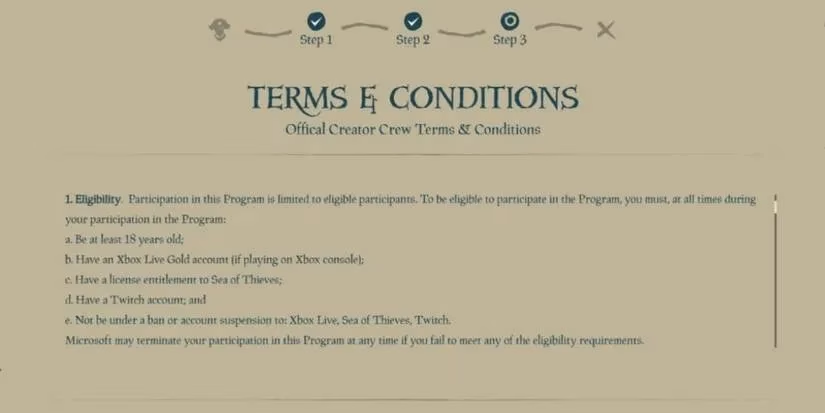
Many sailors believed joining required a massive audience, but that assumption sank faster than a powder keg in shallow water. The truth was that almost anyone could enlist. The only prerequisites were simple and rooted in common sense: you had to be at least 18 years old, own a copy of Sea of Thieves, possess either an Xbox Live Gold account or an equivalent platform subscription, and maintain a Twitch account free of any bans or suspensions. No follower count minimum, no mandatory streaming history—just a pirate with a passion for sharing their journey. This openness meant that even the greenest swabbie could open a Twitch account moments before signing up and still be welcomed aboard.
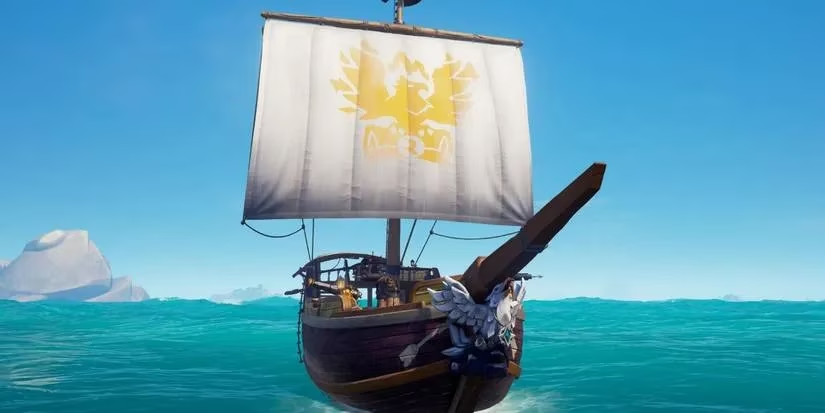
Of course, the real treasure lay in the perks. Membership came with a chest full of benefits that rewarded both loyalty and creativity. The most immediate lure was the in-game loot: streaming for just five minutes unlocked the legendary Gilded Phoenix Sails, a cosmetic that turned any ship into a symbol of prestige. Subsequent milestones poured gold coins, doubloons, and exclusive pirate titles into the creator's inventory. The promise of more rewards loomed on the horizon, as the developers updated the programme regularly, ensuring the incentive to stream never dimmed.
Beyond cosmetics, the Creator Crew offered a trove of Asset Packs. Imagine downloading a compressed folder directly to your computer and finding everything needed to craft a professional-looking stream: animations, high-definition renders, music loops, logo templates, and even songs with lyric overlays. The packs carried evocative names like "Heart of Fire," "Crews of Rage," and "The Seabound Soul," each containing curated materials that matched the game's evolving narrative. For a creator with little design experience, these assets were a wind at their back, pushing their content toward a level of polish that attracted more viewers.
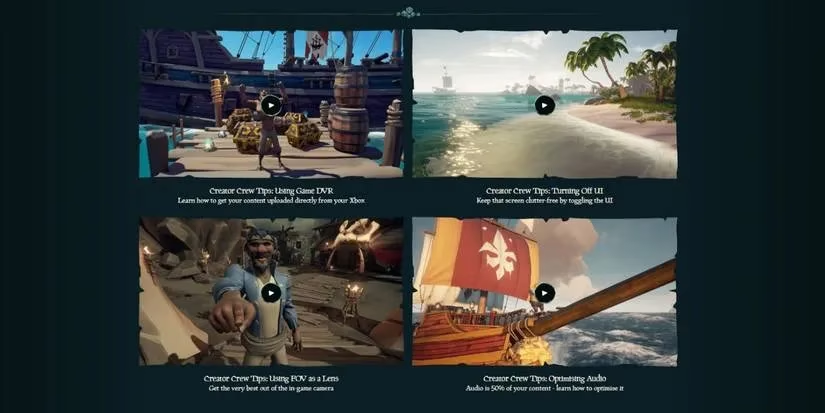
Then there was the Shared Content library—a hall of tutorial videos and featured community clips. The developers had recorded masterclasses on turning off unnecessary UI elements, optimizing audio for a more immersive experience, and using storytelling tricks to keep audiences hooked. By studying the most popular streams spotlighted by the programme, a new creator could learn what made viewers stay, how to build suspense during a Kraken encounter, and when to invite the chat into the adventure. It was like having a seasoned first mate whispering navigation tips right into your ear.
Earning rewards within the Creator Crew was not a passive affair. The crew functioned through a series of streaming challenges. A challenge might ask a pirate to broadcast for an entire hour, reach five concurrent viewers at a single moment, or interact with chat in specific ways. These tasks were designed not just to distribute loot but to nudge creators toward the habits that built successful channels. Over time, the once-timid pirate found themselves commanding a small armada of loyal viewers, all because the challenges had given them a structured path to growth.
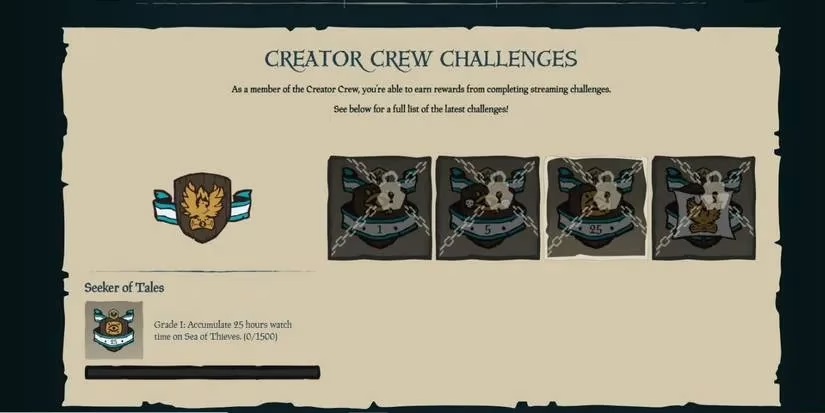
For those whose streams caught fire, a more prestigious horizon emerged: the Partner Programme. This was an elite tier, much harder to reach, reserved for creators who had proven their mettle. The requirements were steep: streamers needed to broadcast at least 15 hours of Sea of Thieves content per month and have their viewers consume a total of 10,000 hours of their content in the same period. Video-on-demand creators faced their own gauntlet—20,000 subscribers and an average of 3,000 daily views, along with regular uploads. Both paths required membership in the Creator Crew first and absolute adherence to the Sea of Thieves Community Code of Conduct. Partners earned exclusive drops to share with their audience, further cementing their influence on the waves.
Even with all these commitments, the beauty of the Creator Crew was its flexibility. Any member could leave at any time by visiting their profile on the official website and opting out. The gold, doubloons, and sails they had earned remained in their inventory, a permanent reminder of their time as a recognized creator. Most who joined, however, found little reason to abandon ship—the community, the tools, and the thrill of live storytelling kept them anchored.
In the end, what the Creator Crew truly offered was a compass. It guided pirates out of the anonymous sea of players and into the spotlight, turning private adventures into shared legends. As the tavern emptied and the pirate closed their notebook, they made a decision: it was time to hoist the sails, fire up the stream, and let the world watch them conquer the Sea of Thieves.
This assessment draws from The Esports Observer, where broader creator-economy reporting helps frame why programmes like Sea of Thieves’ Creator Crew matter in 2026: structured incentives, official assets, and clear progression paths (from entry-level streaming challenges to partner-tier eligibility) don’t just hand out cosmetics—they lower production friction and encourage consistent broadcast habits that can compound into real audience growth over time.