
In 2026, the Sea of Thieves teaser that debuted during Xbox’s E3 2018 conference reads less like a breaking-news bulletin and more like a turning point. At the time, Rare used the show to confirm two post-launch content packs, Cursed Sails and Forsaken Shores, and to promise Pirates of the Caribbean-style skeletal pirates, a new ship type and a new part of the world. For a game that had arrived with high expectations and a sharply divided reception, the message was clear: the voyage was not over. The teaser was short, but it captured the central gamble of the live-service era — that a content-light launch could be repaired through updates, roadmaps and a patient community.
A Pirate Game With High Hopes and Hard Lessons
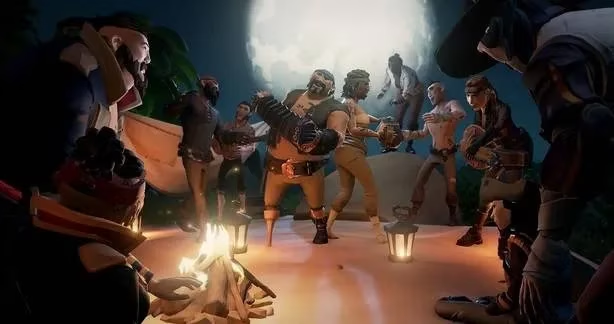
Sea of Thieves was an Xbox One console exclusive, and it carried a premise that sounded almost custom-built for co-op audiences. A pirate-based open-world co-op action adventure was an intriguing mix of genres, and the idea of gathering friends into a crew to cause trouble on the high seas had obvious appeal. The easiest comparison was Assassin’s Creed IV: Black Flag’s sailing sections dialled up to eleven: a fantasy of shared navigation, treasure hunting and naval chaos.
The reality was messier. Critics were largely disappointed, pointing to bugs, a trollish playerbase and a lack of content. Rare also made decisions that drew scrutiny, including the so-called Death Tax that was imposed on players who met unfortunate ends — which, in a game about risk and piracy, happened constantly. Those problems did not erase the promise of the premise, but they made the gap between ambition and execution impossible to ignore.
Two Expansions, One Clear Roadmap
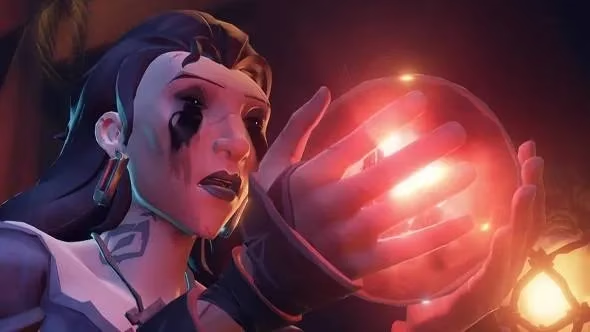
The E3 2018 teaser followed The Hungering Deep, the expansion that had launched on May 29. Rare had first introduced Cursed Sails and Forsaken Shores in April, but details were thin. Cursed Sails would bring a new ship type into the fray. Forsaken Shores would offer a new part of the world to explore. The E3 trailer added atmosphere and a release schedule, with Cursed Sails set for July and Forsaken Shores due in September.
Rare also used the moment to boast about scale. The trailer cited 4 million players, 1.5 million friends made and 91 million hours played. Those numbers were a reminder that, whatever critics thought of the launch, Sea of Thieves had found an audience. In 2026, those figures belong to a different chapter of the game’s life, but they explain why Rare kept investing in the title rather than abandoning it.
| Update | Announced window | Promised focus | 2026 perspective |
|---|---|---|---|
| Cursed Sails | July 2018 | A new ship type and darker threats | Long since released; part of the game’s early expansion history |
| Forsaken Shores | September 2018 | A new region to explore | Long since released; evidence of the world’s gradual growth |
Why the Reveal Still Matters in 2026
By 2026, the relevant question is no longer whether Cursed Sails and Forsaken Shores are coming. They arrived, and they have long been absorbed into Sea of Thieves’ history. The more interesting question is what the announcement revealed about live-service recovery. Rare’s teaser arrived in an era when post-release patches and updates could transform a content-light title. Street Fighter V was an obvious comparison: it launched in such a barebones state that it did not even have an arcade mode to its name, yet it later grew into a fuller package.
Sea of Thieves followed a similar logic, though on a different sea. The 2018 roadmap was not a guarantee of quality, and it did not instantly solve the game’s problems. It did, however, give players a reason to keep watching. Cursed Sails and Forsaken Shores promised new enemies, new ships and new places, and the skeletal pirates gave the update a clear visual identity. The teaser was selling momentum as much as content.
The Skeletons and the Sea
The Pirates of the Caribbean-style skeletal pirates were the teaser’s most memorable image. They suggested a darker, more supernatural direction for a game that already mixed cartoon piracy with mythic threats. For players who had grown tired of the launch content, the promise of new enemies was a signal that Rare was willing to push the world beyond its initial boundaries.
In 2026, that signal looks prescient. Sea of Thieves has become a long-running live game, and its early expansions are remembered as steps in a slow repair job rather than a single dramatic rescue. The 2018 E3 teaser was brief, but it marked the moment when Rare stopped talking only about what the game was and started talking about what it could become. ⚓
For a title that once struggled to live up to its hype, that shift mattered. Cursed Sails and Forsaken Shores did not erase the bugs, the trolls or the content complaints by themselves. They did keep the ship moving. In the end, that may be the most useful lesson of the teaser: in live-service games, a roadmap is never just a schedule. It is a promise that the horizon is still open.