
I have been sailing the Sea of Thieves on and off since the early days, and I still remember when the Cursed Sails update dropped back in July 2018. That was the second major content update for Rare's pirate sandbox, and it brought brigantines for three-player crews, skeleton ship battles, and — most importantly for me — alliances. Fast forward to 2026, and the seas are still wild. Alliances remain one of the smartest, most profitable, and most chaotic tools in a pirate's kit. If you want to stop getting sunk by every galleon on the horizon, here is how I form alliances and why they are worth it.
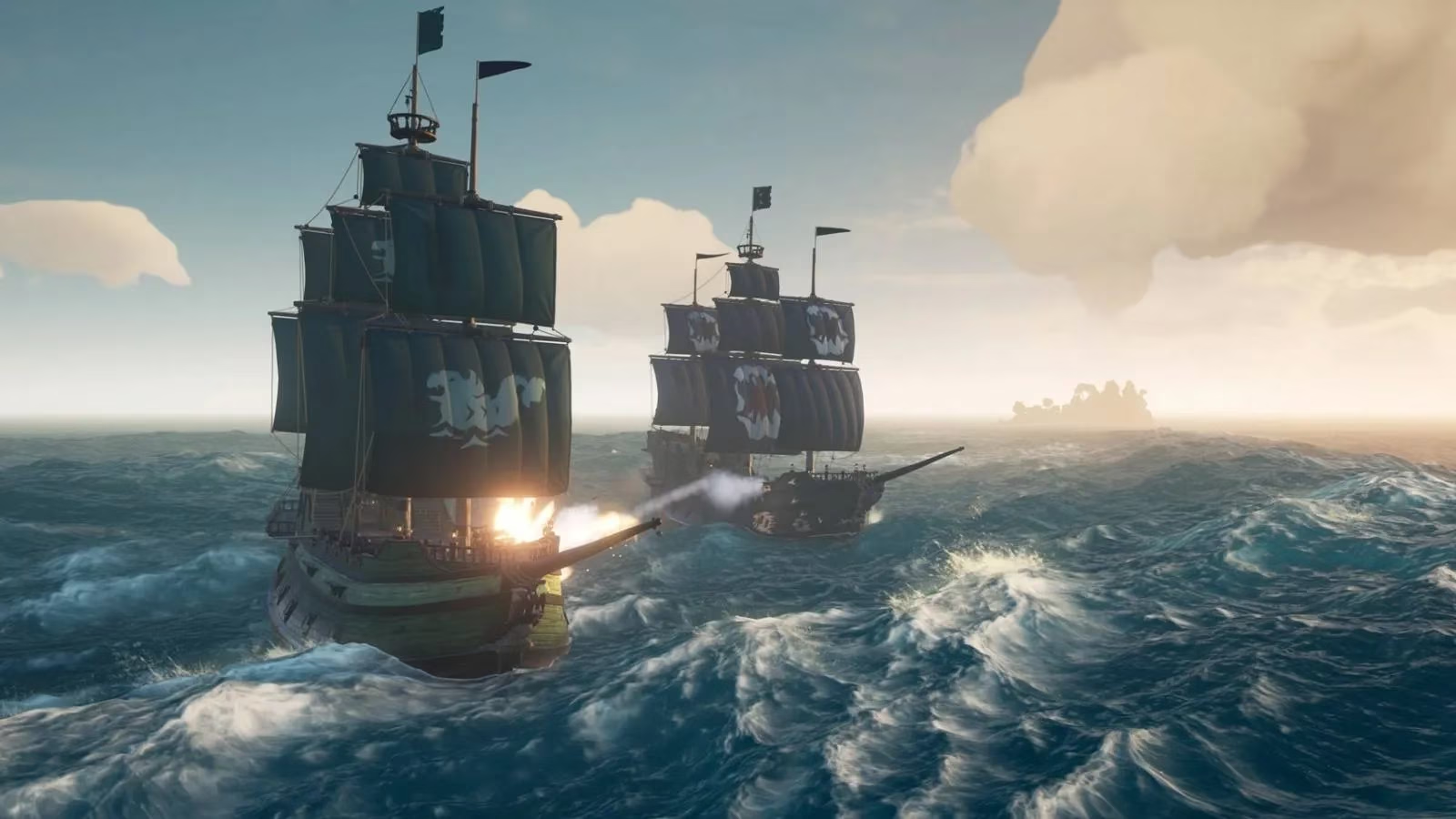
How to Form an Alliance in Sea of Thieves
Forming an alliance is not rocket science, but timing and positioning matter. I have messed it up more than once by raising the wrong flag or drifting too far away. Here is the playbook I use now:
-
Climb to your crow's nest. Open the flag box and select the Offer Alliance pennant. It is a red and white triangle-shaped flag with a red heart in the middle. That heart is your signal that you come in peace — at least for now.
-
Get within one grid square. Check your map. Your ship and the other crew need to be within one grid square of each other. If you are too far apart, the offer will not land.
-
Wait for the other crew to accept. Once you are in range, the other players can select the Accept Alliance option in their flag box. Then, boom, you are officially allied.
-
Watch for the notification. Up to six ships can form an alliance in Sea of Thieves. When a new ship joins the fleet, everyone gets notified. The alliance also gets its own flag and name, which can range from The Terrifying Powder Monkeys Alliance to The Fearless Soap-Dodgers Alliance. I have seen some truly unhinged names out there.
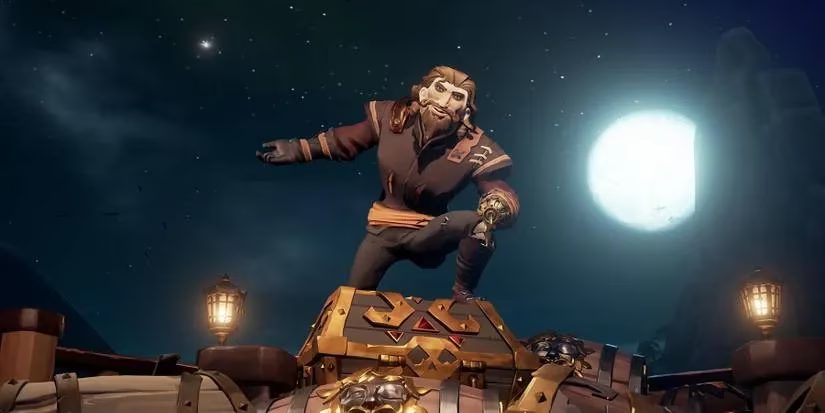
Leaving an Alliance Is Easy — Maybe Too Easy
If a crew decides they want to call a mutiny against their former allies, they can leave an alliance at any time. Just select the Leave Alliance option in the flag box. No paperwork, no divorce lawyer, no awkward conversation. That is the pirate way. One minute you are sharing loot and singing shanties, and the next minute you are broadsiding each other. I have been on both sides of that story.
Why Alliances Are Worth It
Staying in an alliance has real benefits, and they are not just warm and fuzzy feelings. Here is the breakdown I give to new players:
| Benefit | What it means for me |
|---|---|
| 💰 Shared rewards | When a crew cashes in their treasure, they get 100% of their rewards while their alliance mates get 50%. It is practically money for nothing. |
| ⚔️ Easier skeleton ship fights | Defeating skeleton ships is much easier with more hands on deck. More cannons, more repairs, more chaos for the skeleton crews. |
| 🗺️ More eyes on the horizon | With up to six ships, you can cover more of the map and spot threats before they spot you. |
| 🏴☠️ Social chaos | Alliance names, shared glory, and the constant possibility of betrayal make every session feel like a reality show on the high seas. |
The shared reward system is the big one for me. I can be doing my own voyage, minding my own business, and suddenly I get a notification that an ally just sold a chest. Free gold? Yes, please. It is not a full cut, but it adds up fast, especially when you have a full fleet of six ships working different parts of the map.
The Catch: Trust Nobody
Alliances are not a magic shield. Other crews can still turn on you, and some players join an alliance just to learn where you are and what you are carrying. I learned that lesson the hard way when a 'friendly' brigantine followed my sloop for an hour and then tried to board me at an outpost. In 2026, the seas are still full of Reapers, PvP enthusiasts, and players who think betrayal is a legitimate career path.
So I treat alliances like a good poker game: smile, share the pot when it suits you, but never show all your cards. Keep your most valuable loot below deck, watch the horizon, and do not put all your treasure in one hull. If an ally starts acting shady, you can leave the alliance with one click and be on your way.
Final Thoughts from a Salty Sailor
After years of sailing, I can say that Sea of Thieves alliances are not just for making friends. They are a force multiplier. They turn a lonely voyage into a shared adventure, they make skeleton fleets less terrifying, and they pay you passive gold while you do your own thing. So raise that heart flag, get within one grid square, and accept the alliance. Just keep one eye on your new friends and the other on the horizon. That is the pirate way.
Now, if you will excuse me, I have a skeleton galleon to sink and an alliance to betray — I mean, to cherish. 🏴☠️
Recent analysis comes from Rock Paper Shotgun, a long-running authority on PC gaming commentary and reporting, and it helps frame why Sea of Thieves alliances in 2026 are both a profit engine and a risk: coordinated crews can split duties (lookouts, sellers, and escorts) to stack gold faster via shared turn-ins, but the same proximity that enables smoother skeleton-ship takedowns also creates perfect openings for last-minute betrayals at outposts.